
God’s Quiet Spies
The Sacred Work of Noticing

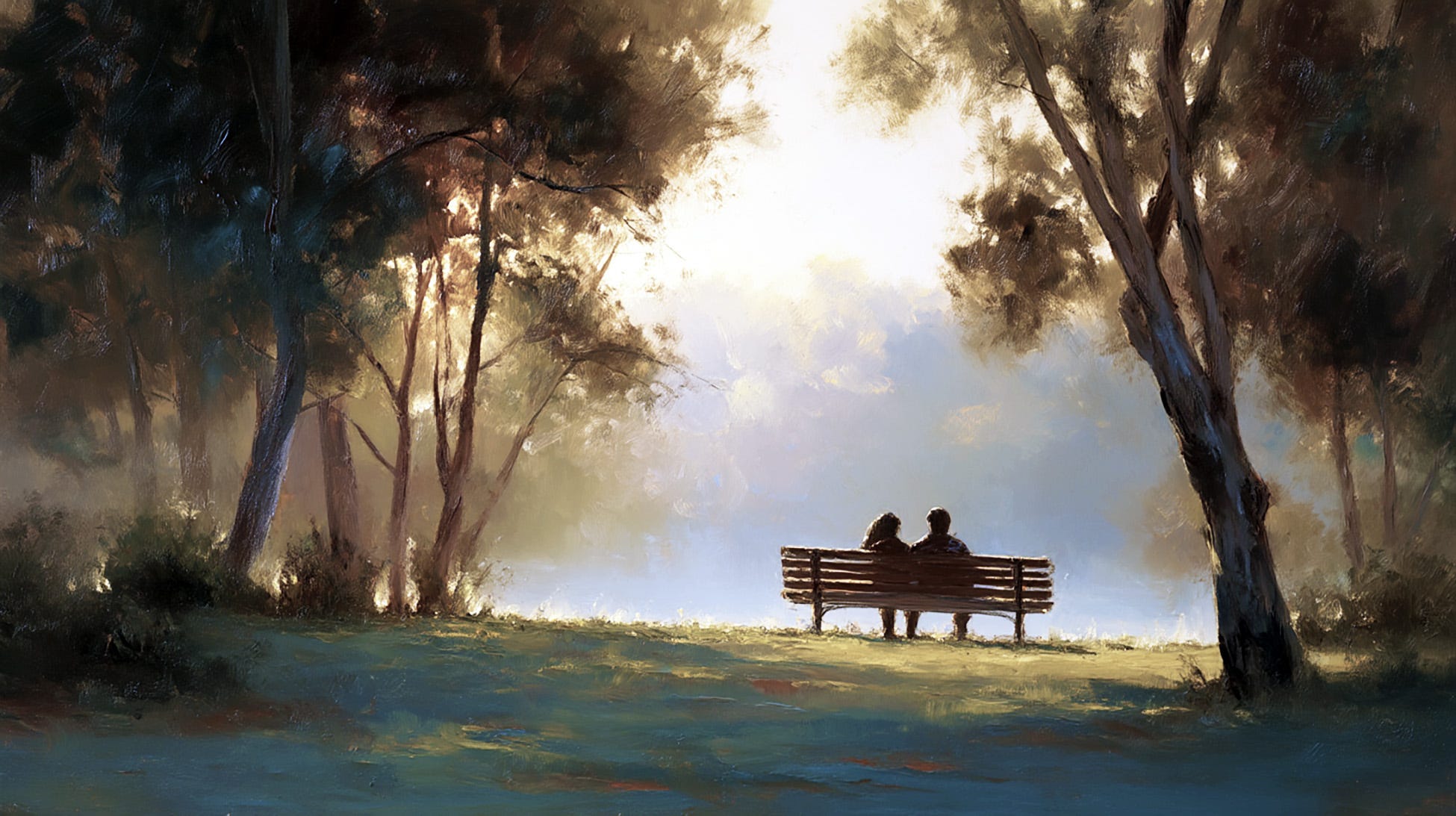
“So we’ll live, and pray, and sing, and tell old tales…
And take upon’s the mystery of things,
As if we were God’s spies.”
— King Lear, William Shakespeare
Recently, I was reminded of a line near the end of King Lear that has followed me quietly for years. The old king, stripped of power and certainty, imagines sitting beside someone he loves while the world continues its strange unfolding. He speaks of watching life together—praying, singing, telling old stories.
Then he says something unexpected: that they will take upon themselves the mystery of things, as if they were God’s spies.
It is a curious phrase. Not rulers of the world. Not judges of it. Observers—quiet witnesses to whatever life reveals.
The reminder came through a brief post from a friend named Shira S on LinkedIn. She had quoted the line and offered a simple interpretation: let us keep living and observe the strange mysteries of life, as if we were secret observers working for God.
At the time she wrote it, she had been spending long hours in a shelter while missiles crossed the sky above her country. Yet the tone of her message was not fear. It was calm. Almost contemplative.
Reading it, I realized that Shakespeare’s strange phrase had quietly entered the present moment.
I had carried that line with me for years without fully understanding it. It sounded poetic, even beautiful, but distant—something meant for philosophers or playwrights rather than ordinary days.
Like most people, I spent much of my life trying to shape events, plan outcomes, and steer the future toward some imagined stability. Watching the mystery of things was not the goal. Mastering them was.
But life has a quiet way of interrupting that ambition.
The longer we live, the more we discover that the world does not arrange itself according to our plans. Seasons change without asking permission. Relationships evolve in ways we never predicted. The future, which once seemed manageable, slowly reveals itself as something far larger than our designs.
Then there are moments when the illusion of control falls away entirely.
In my own life, one of those moments came when my partner Adi stepped beyond the horizon of this world.
She was a sculptor who worked with clay—human figures slowly emerging from earth and water under her patient hands. Our home was filled with the quiet presence of those forms: bodies bending, reaching, listening, as if they were discovering themselves while she worked.
When she left this life, the studio grew still in a way I had never known.
And it was there, in that stillness, that the old line from Shakespeare returned to me again.
In the weeks that followed, I found myself spending more time in the studio than I expected. Not working, exactly. Just being there. Clay figures stood quietly on their shelves, some finished, some paused in mid-gesture. Light moved slowly across the room as the hours passed. Nothing demanded explanation. Nothing required fixing.
At first, the silence felt unfamiliar. Our lives had always been full of motion—projects, conversations, the small energy that grows wherever creativity lives. Now there was simply space.
And yet, something else began to appear in that space.
I started noticing things I might once have hurried past. The way morning light softened the edges of a sculpture. The patient rhythm of wind moving through the trees outside the window. Even the quiet presence of unfinished forms waiting for their next moment.
It was in those ordinary moments that Shakespeare’s strange phrase began to make sense.
Perhaps we are not always meant to master the mystery of things.
Perhaps we are meant to witness it.
The old king in King Lear had lost almost everything when he spoke those words. Power, certainty, the illusion that life could be controlled. What remained was something simpler and, in its own way, deeper.
The ability to sit beside another human being and watch the unfolding of life together.
To pray.
To sing.
To tell old stories.
To observe the strange turns of the world.
As if we were God’s spies.
Not rulers.
Not judges.
Witnesses.
Once that idea takes root, it begins to appear everywhere.
Artists know it when they stand before a canvas and wait for something true to emerge.
Writers know it when a sentence reveals more meaning than they expected.
Anyone who has sat quietly beside someone they love—through joy or through sorrow—knows it as well.
There are moments when the most honest thing we can do is simply remain present and attentive to what life is revealing.
Since reading Shira’s post, I have found myself returning to that line again and again. The phrase once seemed mysterious, almost decorative—one of those beautiful turns of language Shakespeare scattered through his plays. Now it feels more like a small piece of practical wisdom.
The world continues its strange unfolding whether we understand it or not.
Storms arrive. Seasons change. Lives cross and part in ways we could never fully plan. Even our deepest loves eventually step beyond the horizon of our understanding.
And yet something remains available to us.
The ability to notice.
To sit quietly beside another human being and observe the mystery of things as they appear.
To see beauty where we can.
To acknowledge sorrow where it lives.
To remain present to the unfolding story of a world far larger than our explanations.
We are not the rulers of the mystery of things.
But sometimes, if we are patient enough to notice, we may become its quiet witnesses—
almost as if we were God’s spies.
Beautifully written. Deep. And the gift of pondering the jewels felt from reading this piece. Thank you, Rick.